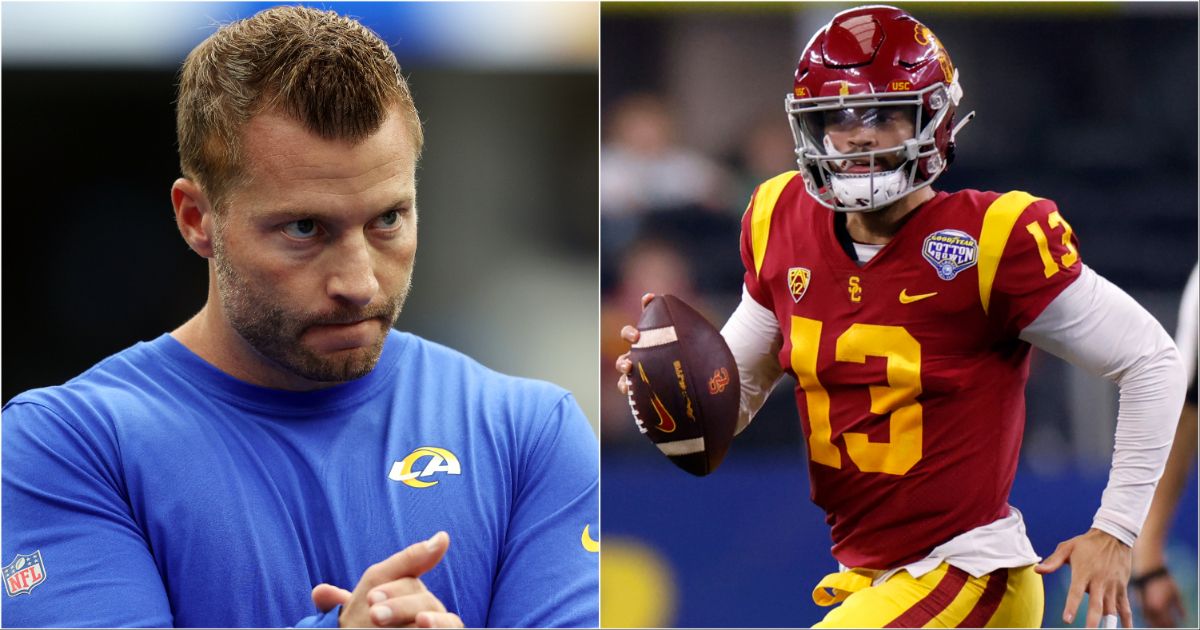
The Los Angeles Rams didn’t need another quarterback—on paper. With Matthew Stafford entrenched and Stetson Bennett as the camp arm, the idea of adding a developmental prospect seemed redundant. But Albert Breer’s post-draft reporting revealed a quiet urgency behind the scenes: the Rams had a strong, specific interest in Oregon quarterback Ty Simpson late in the process. Not as a long-term heir apparent, not as a Day 1 contributor, but as a calculated developmental bet shaped by evaluation, timing, and roster reality. Breer’s takeaways paint a picture of a team operating with surgical precision—even when their actions appeared reactive.
This wasn’t about filling a hole; it was about shaping the future while managing risk. Here’s how the Rams zeroed in on Ty Simpson, according to Breer’s behind-the-scenes insights and the broader strategic context.
The Rams’ Quarterback Dilemma—And Why It Wasn't Obvious
The Rams’ offensive identity hinges on a healthy Matthew Stafford. When he plays, they’re a playoff-caliber team. When he doesn’t, the offense stagnates. But Stafford’s injury history isn’t speculative—it’s documented. Since joining the Rams in 2021, he’s missed multiple games due to elbow, neck, and finger issues.
Stetson Bennett, the 2023 UDFA, showed flashes during camp but lacked the arm talent and processing speed to inspire long-term confidence. The Rams’ internal scouts and coaching staff needed a better developmental option. Not someone who could start in Year 1, but someone with higher upside than a typical practice squad QB.
Enter Ty Simpson.
Breer noted that L.A.’s interest wasn’t public, wasn’t hyped, but was consistent in private interviews and draft room discussions. The Rams weren’t just scanning for warm bodies—they were looking for specific traits: arm strength, athleticism, and raw processing ability in structured systems. Simpson, despite limited starts at Alabama, had demonstrated all three.
Albert Breer’s Key Insight: The “Processing Window” Obsession
One of Breer’s most revealing takeaways was how the Rams evaluated quarterback development through the lens of processing under pressure. It wasn’t just about release time or footwork—it was about how quickly a young QB recognizes pre-snap looks, adjusts protections, and identifies hot reads when the pocket collapses.
“Teams are no longer grading quarterbacks just on tape,” Breer wrote. “They’re reverse-engineering decision trees. The Rams, in particular, want to know: How many milliseconds before a QB sees the blitz? Does he default to a check-down, or does he scan for the backside outlet?”
Simpson’s time at Alabama—under Bill O’Brien and later Kalen DeBoer—gave him exposure to complex schemes and NFL-style terminology. While he played sparingly, he was often in the headset during Alabama’s two-minute drills and no-huddle packages. The Rams valued that mental reps more than stat lines.
Breer emphasized that this type of behind-the-scenes evaluation is where elite teams differentiate themselves. Most teams see Simpson’s 2023 stats—1,091 yards, 8 TDs, 3 INTs in 7 games—and move on. The Rams saw film of him executing RPOs against Georgia’s front seven and recognized developmental clay.
Why Simpson? The Athletic Profile That Stood Out
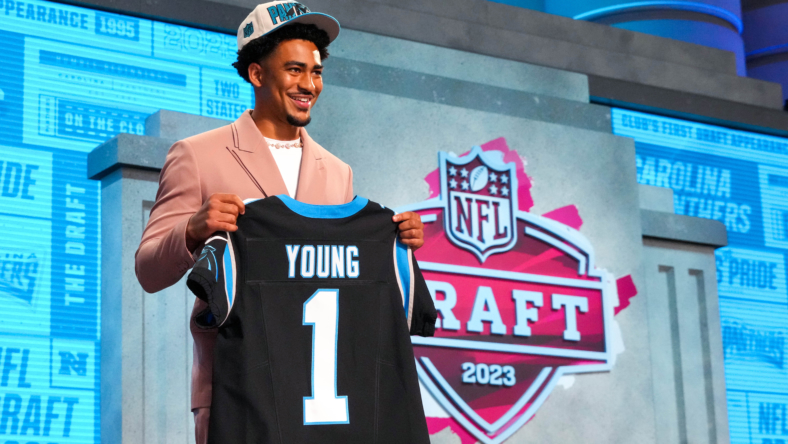
The Rams have a history of favoring mobile quarterbacks with strong arms. Jared Goff wasn’t a scrambler, but his deep-ball accuracy made him viable. Stafford, while not a runner, has elite off-platform arm talent. Simpson fits the physical prototype the Rams have quietly prioritized in recent years:
- Arm strength: Capable of driving the ball 50+ yards in the air with tight spiral
- Mobility: 4.61-second 40-yard dash at 6’2”, 208 lbs—plus twitchy pocket movement
- Frame: NFL-ready build, with room to add weight without sacrificing quickness
- Delivery mechanics: Clean motion, though still refining consistency under pressure
Breer pointed out that Simpson’s testing metrics at the NFL Combine weren’t elite—but they were functional. What stood out were his relative athletic score (RAS) components: agility, explosiveness, and functional strength. For a developmental QB, that’s more important than a blazing 40 time.
The Rams’ medical team also reportedly had fewer concerns about Simpson’s injury history than other teams. He missed part of 2022 with a shoulder strain, but imaging showed no structural damage. Breer noted that L.A. values durability in backups—even developmental ones—because of Stafford’s fragility.
The Draft Night Chess Game: How the Rams Made the Move
According to Breer, the Rams didn’t enter the draft with Simpson as a target. Their early focus was on edge rushers and offensive tackles. But as the later rounds progressed, they began reevaluating their QB depth chart.
Here’s how Breer described the pivot:
“There was no ‘Eureka’ moment. It was a slow build. Coaches rewatched Simpson’s spring practices. The analytics team ran projection models on his limited game data. By Day 3, they were convinced he was a better developmental bet than anyone on the undrafted market.”
The Rams didn’t pick Simpson—they were unable to find a late-round fit. But Breer confirmed they aggressively pursued him as a priority undrafted free agent (UDFA). They offered a fully guaranteed deal (reported at $160K minimum, fully guaranteed), which is rare for a non-drafted QB.
That commitment signals more than interest—it signals intent.
They also beat out reported interest from the Jets, Titans, and Panthers. Breer attributed the Rams’ success to: - A clearer development path (working under QB coach Zac Taylor) - A more structured practice squad hierarchy - Personal outreach from Stafford himself, who has a history of mentoring young QBs
The Development Path: What Simpson’s Role Actually Looks Like
Don’t mistake this for a future franchise QB move. Breer was clear: the Rams aren’t betting on Simpson to start in three years. But they are betting he can become a reliable #3 with upside.
- His development will likely follow this path:
- Summer 1: Learn the playbook, focus on footwork and cadence in 7-on-7 drills
- Fall 1: Run the scout team, simulate opposing QBs in practice
- Year 2: Compete with Bennett for primary backup role if Stafford is healthy
- Year 3: Potential trade asset or emergency starter if injuries strike
Breer noted that teams like the 49ers and Chiefs have profited from similar moves—developing UDFAs like Brock Purdy or undrafted camp arms into contributors. The Rams are playing the same long game.
Simpson’s biggest hurdle? Decision-making in live reps. At Alabama, he sometimes forced throws into coverage when the easy check-down was available. The Rams will work relentlessly on tempo and situational awareness.
Why This Matters for the Rams’ Big-Picture Strategy
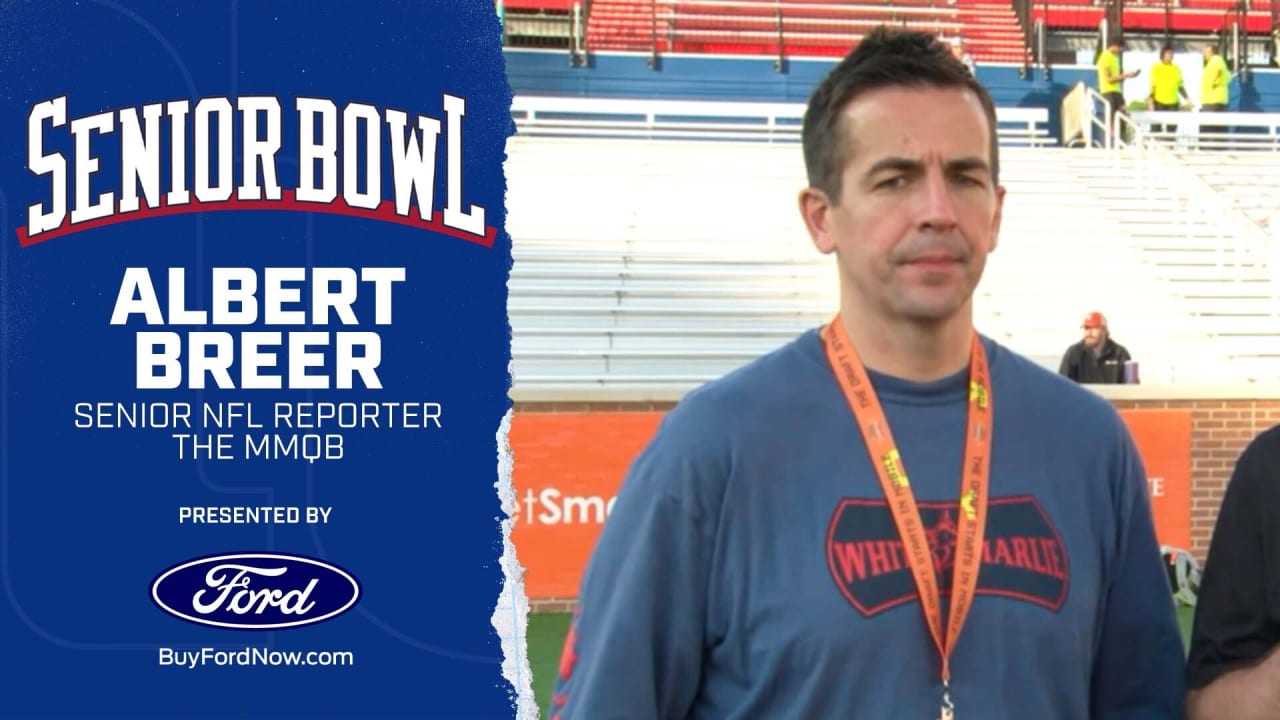
The Ty Simpson pursuit fits a broader pattern in the Rams’ front office: understated, high-upside gambling. They didn’t go all-in on a first-round QB. They didn’t panic and sign a veteran. Instead, they used Breer’s described “patient opportunism” to land a player with starting potential at minimal cost.
This approach reflects Sean McVay’s coaching philosophy: control the controllables, minimize risk, maximize room for error.
Breer also highlighted the Rams’ cap discipline. With over $25M in projected cap space post-draft, they could’ve signed a veteran. But they chose to allocate resources to the offensive line and secondary—and trust their development system on the QB front.
That’s not just smart. It’s sustainable.
Common Mistakes Teams Make—And How the Rams Avoided Them
Many teams misfire on developmental QBs by: - Overvaluing college production (e.g., drafting a 4,000-yard FCS QB with poor mechanics) - Ignoring medical red flags (e.g., repeated shoulder issues) - Expecting immediate results (e.g., starting a rookie in Week 1)
The Rams avoided all three: - Simpson’s production was light, but his situation was elite—practicing against Bama’s defense daily - Medicals were clean, and his injury was short-term - No expectation for early playing time—this is a Year 3+ project
Breer stressed that the difference between “development” and “hope” is evaluation rigor. The Rams’ move wasn’t hopeful—it was deliberate.
Final Verdict: A Low-Risk, High-Reward Move
with Real Upside
Albert Breer’s takeaways on the Rams’ pursuit of Ty Simpson underscore a quiet truth in modern NFL drafting: the best moves aren’t always the loudest.
The Rams didn’t need to trade up. They didn’t need to make a headline grab. They identified a player with desirable traits, validated him through layered evaluation, and acted decisively in free agency.
Simpson may never take a regular-season snap for L.A. But if he develops into a reliable backup—or, better yet, a trade chip—he’ll have been worth far more than his signing bonus.
For fans and analysts alike, the lesson is clear: watch the margins. Pay attention to the UDFAs, the medical checks, the private workouts. That’s where careers—and seasons—are quietly shaped.
Actionable Takeaway: If you’re evaluating NFL draft outcomes, don’t just focus on Day 1 picks. Follow Breer’s lead—look at a team’s undrafted signings, coaching staff movements, and late-round pivots. The real strategy often lives there.
FAQ Did the Rams draft Ty Simpson? No, the Rams did not draft Ty Simpson. They signed him as an undrafted free agent shortly after the draft concluded.
How did Albert Breer know about the Rams’ interest in Simpson? Breer sources his reporting from league executives, scouts, and agents. His insights often come from direct conversations within team front offices.
What are Ty Simpson’s biggest strengths as a quarterback? His arm strength, mobility, and experience in a pro-style offense at Alabama are his standout traits.
Is Ty Simpson expected to start for the Rams? No. He’s viewed as a developmental project and likely third-string quarterback behind Matthew Stafford and Stetson Bennett.
How does Simpson compare to other Rams QBs? He has more raw upside than Bennett but lacks Stafford’s experience and precision.
Why did Simpson go undrafted? Limited starting experience, inconsistent college production, and questions about his decision-making under pressure.
Could Simpson become a starter in the NFL? It’s possible, but he’ll need significant development. The Rams are betting on his tools and learning environment.
FAQ
What should you look for in Albert Breer’s NFL Draft Takeaways: Rams’ Move for Ty Simpson? Focus on relevance, practical value, and how well the solution matches real user intent.
Is Albert Breer’s NFL Draft Takeaways: Rams’ Move for Ty Simpson suitable for beginners? That depends on the workflow, but a clear step-by-step approach usually makes it easier to start.
How do you compare options around Albert Breer’s NFL Draft Takeaways: Rams’ Move for Ty Simpson? Compare features, trust signals, limitations, pricing, and ease of implementation.
What mistakes should you avoid? Avoid generic choices, weak validation, and decisions based only on marketing claims.
What is the next best step? Shortlist the most relevant options, validate them quickly, and refine from real-world results.